Can Ashes Be Kept at Home?
Understand whether ashes can be kept at home, including common practices, cultural considerations, and what families should think about before deciding.
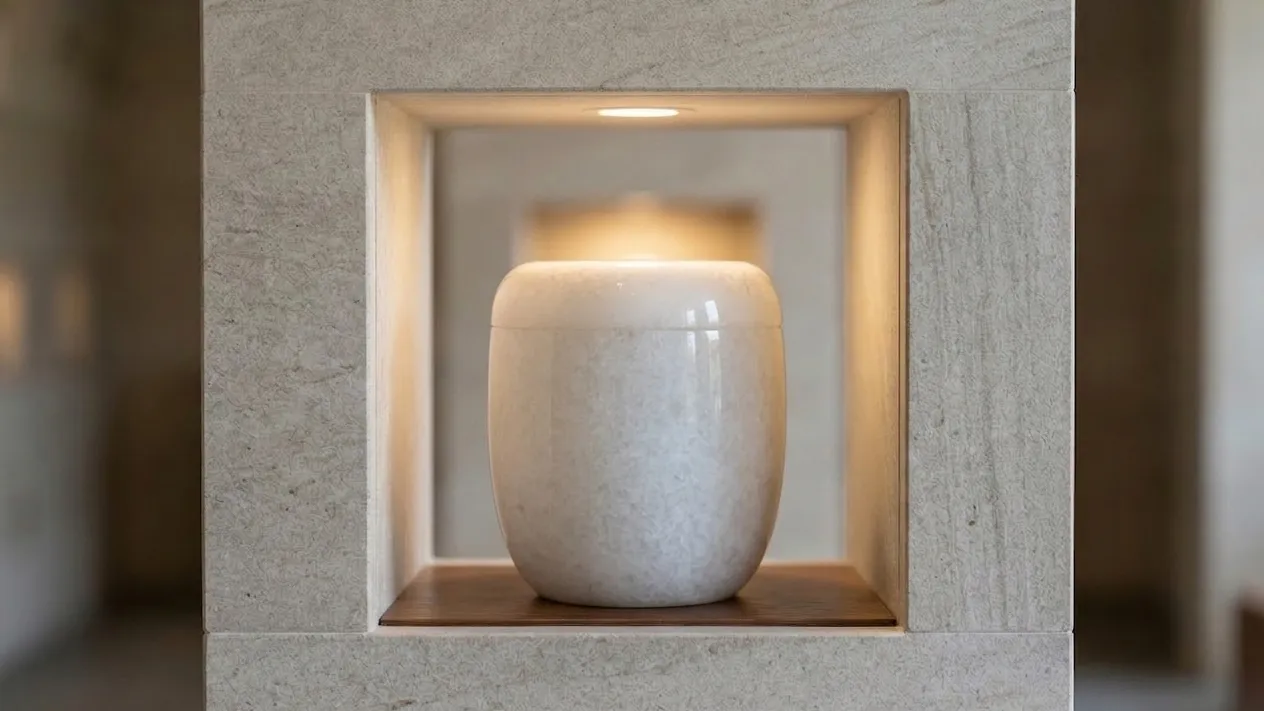
After cremation, families need to decide how the ashes of their loved one will be cared for. One common question is whether it is appropriate to keep the urn at home.
The short answer is yes — ashes can be kept at home in Singapore. There is currently no law prohibiting families from keeping cremation ashes in a private residence.
However, even though there are currently no laws restricting this, many families find that the decision involves more than just regulatory considerations.
Understanding these factors allows families to make a more considered decision that aligns with their beliefs, household dynamics, and long-term plans.
Is It Legal to Keep Ashes at Home?
In Singapore, there is currently no legal requirement that ashes must be placed in a columbarium.
Families may choose to:
- Keep the urn at home
- Place the urn in a columbarium niche
- Scatter ashes at permitted locations
While the law allows ashes to be kept at home, families are encouraged to consider practical and cultural factors before making a long-term decision.
Why Some Families Choose to Keep Ashes at Home
For some families, keeping the urn at home provides a sense of closeness and remembrance.
Common reasons include:
Personal or Emotional Preference
Some individuals feel more comfortable having the ashes of their loved one nearby, especially shortly after cremation.
Keeping the urn at home may provide a sense of continuity during the grieving process.
Temporary Arrangements
In many cases, keeping ashes at home would be a temporary arrangement.
Families may do this while they:
- Decide on a suitable columbarium
- Wait for niche availability
- Discuss long-term plans among family members
This gives families the space to think through their options more clearly, rather than making decisions under time pressure.
Cultural or Religious Practices
In some cultural or religious contexts, families may keep ashes at home temporarily before deciding on a final resting place. For example, some Buddhist or Taoist families may observe a period of home placement before making longer-term arrangements, while others may choose immediate placement based on personal or family preferences.
Practical Considerations Families Should Think About
Even though there are currently no laws restricting this, keeping ashes at home may involve several practical considerations.
Household Comfort
Not all family members may feel comfortable having an urn kept in the home environment. In some cases, younger family members or elderly relatives may have different views about the arrangement.
Having an open conversation among family members can help clarify expectations early and reduce potential disagreements later.
Long-Term Plans
Keeping ashes at home may work well initially, but families sometimes reconsider the arrangement later.
Questions families often ask include:
- What happens if the family moves house?
- Who will take responsibility for the urn in future generations?
- Will younger family members want to continue keeping the urn at home?
Because ashes may remain for many decades, it is important to consider how arrangements will be managed across different life stages and generations.
Space and Placement
Families who keep ashes at home usually place the urn in a respectful and stable location.
Some households choose a:
- Dedicated memorial area
- Cabinet or display space
- Quiet area of the home
Given the space constraints common in many Singapore residences, especially in shared or multi-generational households, this can influence how practical and sustainable a home-based arrangement is over the long term.
Why Many Families Eventually Choose Columbarium Placement
Although keeping ashes at home is allowed, many families eventually choose to place the urn in a columbarium.
A columbarium provides a dedicated and purpose-built memorial space where relatives can visit and pay their respects over time.
Common reasons families choose columbarium placement include:
- A permanent and structured resting place
- Easier visitation for extended family members
- Long-term management by memorial facilities
- Cultural or religious expectations
If you are exploring this option, you may wish to review Columbarium Singapore Guide.
Public vs Private Columbarium Options
When considering columbarium placement, families in Singapore generally choose between public columbariums and private memorial facilities.
Each option has different characteristics relating to environment, niche variety, and visitor experience.
You can learn more here: Public vs Private Columbarium in Singapore.
Making the Decision Calmly
There is no single correct choice for every family. Some families keep ashes at home for a short period before selecting a columbarium niche. Others decide on permanent placement shortly after cremation.
The most important consideration is whether the arrangement feels respectful, practical, and sustainable for the family in the long term.
Taking time to understand the available options helps families approach the decision with greater clarity, rather than making changes hastily without fully considering what works best over time.
Final Thoughts
In Singapore, families are not required to place ashes in a columbarium. What matters more is how the arrangement fits the family’s circumstances over time.
Some families choose to keep ashes at home, especially in the earlier stages. Others prefer to establish a more permanent memorial arrangement sooner. In practice, decisions are often shaped by household dynamics, cultural expectations, and how sustainable the arrangement feels over the long term.
For many families, what begins as a temporary arrangement at home gradually evolves into a longer-term decision about placement.
Taking time to understand the available options allows families to move forward with greater clarity and a clearer sense of what will feel appropriate, both now and in the years ahead.